
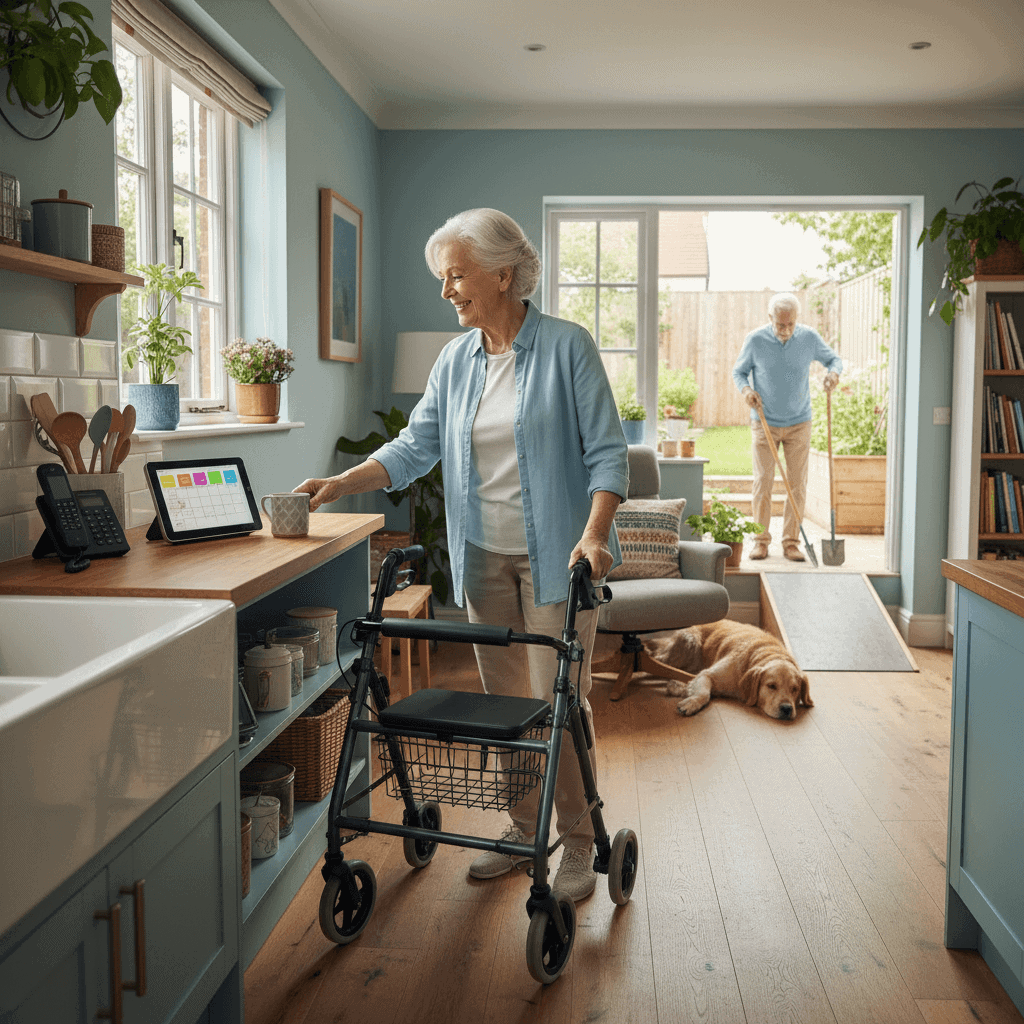
Maintaining independence at home is a top priority for many aging adults and their families. As physical strength, hearing, vision, and memory change over time, small shifts in the way a home is arranged and how daily tasks are handled can have a big effect on staying safe, comfortable, and in control. This article offers practical, actionable ideas that help older adults remain independent at home for as long as possible.
Below you will find pragmatic strategies in areas such as home layout, health routines, social connections, transportation, and money management. Each section includes real world examples and tips you can try now. Read through and pick two changes you can start with this week to make home life easier and less stressful.
How Aging Adults Can Maintain Their Independence At Home with Home Safety and Layout Changes
One of the most effective ways to stay independent is to make the living space safer and easier to use. Simple changes often have big returns in daily function and fall prevention. Focus on three zones: entry and exits, bathroom, and kitchen.
- Entry and exits. Replace loose rugs with non slip mats and add sturdy handrails by steps or porches. A keyed deadbolt with an easy to grip lever reduces bending and fumbling.
- Bathroom. Install grab bars near the toilet and in the shower, add a raised toilet seat if needed, and consider a walk in shower or a tub conversion with a low threshold. Non skid strips on the shower floor reduce slips.
- Kitchen. Move frequently used items to waist level to avoid reaching and bending. Use a step stool with a wide base and handrails for occasional high reach tasks. Consider a countertop surface at sitting height for food prep if standing for long periods is tiring.
These changes do not require major renovation. Many hardware stores sell easy to install grips and rails. For larger projects, local community programs or home modification grants can offset costs.
How Aging Adults Can Maintain Their Independence At Home through Health and Medication Management
Keeping a clear routine for health checkups and medication is essential. Chronic conditions are manageable with regular monitoring, and correct medication use reduces hospital visits and loss of function.
- Set up a simple pill system with labeled daily boxes. If manual sorting is difficult, a family member can prepare weekly packs or a pharmacy can provide blister packs.
- Schedule recurring doctor appointments and use a calendar that is easy to read. Many clinics now offer phone reminders or digital alerts for appointments.
- Monitor key health indicators at home like blood pressure and blood sugar. Basic devices are affordable and most clinics will review results with you over a call.
Example tip: if joint pain makes household chores hard, speak with a primary care provider about physical therapy. Short PT programs can improve strength and balance, which supports staying at home longer.
How Aging Adults Can Maintain Their Independence At Home by Using Community and Family Resources
Staying connected to community services and family supports helps maintain capacity without losing autonomy. Local agencies offer meal delivery, home visits, and transportation programs tailored to older adults.
One way to find services is to ask at a local senior center or municipal aging office. Community volunteers can deliver meals, help with grocery shopping, or provide companionship. When evaluating options, focus on reliability and clear scheduling so routines remain intact.
For those seeking private guidance there are directories and organizations that list vetted providers. If you want to learn more about connecting with services that preserve independence consider this resource for independent living support as a starting point.
How Aging Adults Can Maintain Their Independence At Home with Technology That Makes Life Easier
Technology offers tools that can increase safety and simplify tasks. Choose devices that match comfort with tech and avoid systems that require frequent complicated updates.
- Medication reminders. Simple alarm boxes or phone reminders help with regular dosing. Voice activated devices can announce reminders on command.
- Home monitoring. Motion sensors, smart doorbells with two way talk, and fall detection watches can be turned on only when desired and paired with a trusted contact list.
- Telehealth. Virtual visits reduce the need for travel and make routine care more accessible. Many clinics support video calls for follow up visits.
Example: A person with limited mobility might combine grocery delivery services with a smart speaker to reorder staples, reducing trips and preserving energy for social activities.
How Aging Adults Can Maintain Their Independence At Home by Managing Daily Tasks and Routines
Daily routines give structure and reduce cognitive load. Breaking tasks into short steps and using visual cues helps with consistency and reduces mistakes.
- Use a visible weekly calendar for appointments, chores, and social plans. Color code entries to make scanning easier.
- Plan meal prep for the week. Batch cooking and freezing single portions lowers the need to cook each day and keeps nutrition stable.
- Establish a simple laundry system with labeled baskets by clothing type or frequency, reducing the decision making needed for each wash.
Creating routines that match energy levels
Schedule demanding tasks like errands or heavy housework for the time of day when energy is highest. Many people find mornings work best. Reserve afternoons for lighter engagement and rest.
Involving family without losing independence
When family members help, agree on specific roles. For example one person can handle finances while another manages doctor appointment scheduling. Clear boundaries help older adults keep control over choices while accepting help where practical.
How Aging Adults Can Maintain Their Independence At Home with Transportation and Mobility Options
Access to reliable transportation keeps people connected to services, friends, and activities. Losing a driver’s license does not have to mean losing mobility.
- Public transit often has reduced fare and door to door services. Check local transit authority for senior programs.
- Rideshare and volunteer driver programs can provide flexible options for appointments and social outings.
- Driving evaluations by occupational therapists give clear feedback about safe driving ability. If driving is limited, a gradual reduction plan helps preserve confidence while shifting to other options.
Example strategy: Combine a weekly grocery delivery with two rideshare trips for social visits so both practical needs and emotional wellbeing are met.
How Aging Adults Can Maintain Their Independence At Home Through Financial Planning and Legal Steps
Good planning reduces stress and keeps decision making in the hands of the person living at home. Simple legal and financial steps pay off when situations change.
- Keep documents organized in one folder that includes medical directives, durable power of attorney, and important account information.
- Set up automatic bill payments and use online tools with family oversight for monitoring rather than full control transfer.
- Meet with a trusted financial planner or elder law attorney to review options for long term care insurance, benefits, and estate planning.
Example: A homeowners policy review might reveal discounts or coverage options that make minor home changes affordable and reduce financial worry.
How Aging Adults Can Maintain Their Independence At Home by Prioritizing Social Health and Mental Wellbeing
Loneliness and isolation directly affect physical health and the ability to function independently. Maintaining social connections and meaningful activities is as important as medical care.
- Schedule regular calls or visits with friends and family. Short daily check ins keep routines on track and provide emotional support.
- Join interest based groups at a local center or online classes for hobbies. Learning new simple skills can increase confidence.
- Engage in gentle physical activity. Walking groups, chair yoga, and water exercise classes support mood and balance.
Example: A weekly book club or gardening group provides social contact and a reason to leave the house, which supports mobility and mental sharpness.
Maintaining independence at home is about planning and small, sustainable changes that preserve dignity and choice. Start with two practical items from this article and set a 30 day goal. That might be installing a grab bar, setting up a pill box, arranging one weekly social outing, or signing up for a grocery delivery period. Keep the focus on making daily life easier rather than trying to do everything at once.
When you are ready to connect with local resources for ongoing help and referrals, consider seeking information that links services with personal needs. This can make the difference between feeling alone with decisions and having a list of vetted options to choose from. If you want more guidance on programs and services that help older adults remain at home, start by checking trusted local organizations and service directories for tailored recommendations.
Conclusion
Maintaining independence at home while aging is a combination of planning, simple home changes, routine health care, social connection, sensible use of technology, and thoughtful financial planning. Each part supports the others and reduces the risk of avoidable setbacks. Practical steps such as improving bathroom safety, creating easy to follow health routines, leaning on community services, and keeping legal and financial documents in order produce immediate benefits. Try choosing two actionable items to complete in the next 30 days and ask a family member or neighbor to check in on progress. If a wider search for resources is helpful, explore community directories and service lists that match your needs. Staying independent does not mean doing everything alone. With the right mix of planning and occasional help you can keep living at home comfortably and on your own terms. Take a moment now to write down one change you will make this week and one person who can support that step.