
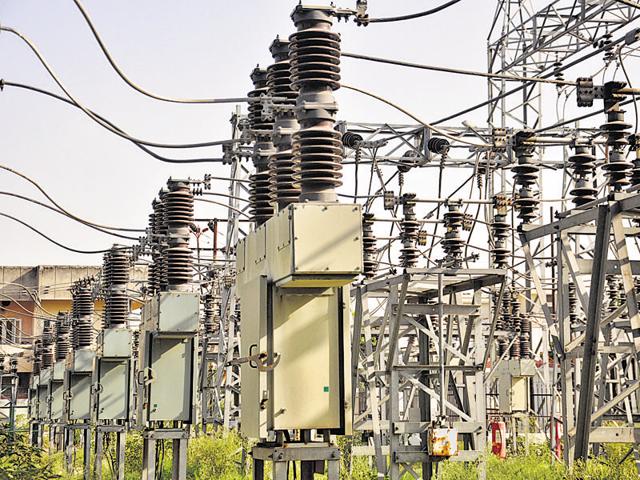
After a typhoon, checking all your electrical gear and appliances is a must. When a tornado or cyclone strikes, never go back inside until floodwaters drop. Avoid any electrical systems if water still surrounds your home. It’s smart to scout your house from a safe spot to spot any damage that makes going in dangerous. If you’re not sure the electrical system is safe, better to wait for a licensed electrician to look it over first. Knowing simple electrical safety tips can save your life and speed up getting back on your feet. Most fires after storms come from electrical issues you can avoid with a quick safety check. Stay sharp, take your time, and put safety first—because nothing is more important than your well-being. Keep reading to discover how to protect yourself and your home when storms hit.
If your house appears stable as well as an electrical expert has deemed it safe to get in, the following step is to check for electrical devices or gadgets that are frequently shown by sparks or torn wires also this need to be carried out in collaboration with the electrical contractor. Fire is one of the most constant mishaps following floods and also hurricanes. So you have to initially check for busted electric circuits, immersed electric devices, and also furnaces since these are fire dangers. See to it you visually look for broken or torn cords in your electric system. If you scent something burning or there are sparks, turn off electrical energy from the primary circuit box or circuit breaker (once more given that you’re not stepping on swamped water).
When you see water, as well as silt, enter your electric gadgets after a storm, it implies corrosion, as well as insulation damage, can happen. We all understand that water is the leading opponent of any kind of electric device because it constantly harms its motors, so besides recovering your electrical system as well as replacing it, you need to also prepare to replace it.
Below are security ideas to help you refurbish, bring back, and re-condition your residence electric system as well as your house appliances after the tornado or typhoon. It is advised that you allow an accredited electrical expert to lead you on the remediation or substitute of any type of electrical tools in your house:

1. Get the ‘go-signal’ from the electrician if your fuse or breaker is secure to utilize. This is very important since damage to these can create a lot more electric issues and also trigger also fire.
2. Make certain to only utilize the appliances when they are already completely clean from silt and also had dried; and when the electrical contractor tells you so;
3. Consider changing your electric wiring. If the electrical wirings and devices got submerged in water, contaminants can develop fire threats. In some cases professional cleansing won’t help considering that the cords are more than likely revealed to chemicals and toxins existing in your neighborhood and are really tough to get rid of;
4. Do not let power cord connections come to be wet;
5. Usage mobile GFCI (Ground-Fault Circuit-Interrupter) to avoid electrical shock injuries;
6. Discard GFCIs, plugs and also switches, receptacles, breakers, as well as merges when they have actually been submerged in flood water;
7. Don’t collaborate with damp hands particularly if it’s worrying about electrical gadgets;
8. Never utilize a mobile generator inside your home or anywhere near doors, home windows, and vents since it releases carbon monoxide gas (CARBON MONOXIDE) which is really dangerous when breathed in;
9. When you see your electric home appliance damaged, do not activate the device to check it, probably it will not run as usual, you are just enhancing the opportunity of a fire in your home. If you’re looking for resources on electricity, you may visit BarbaraIweins for further info.